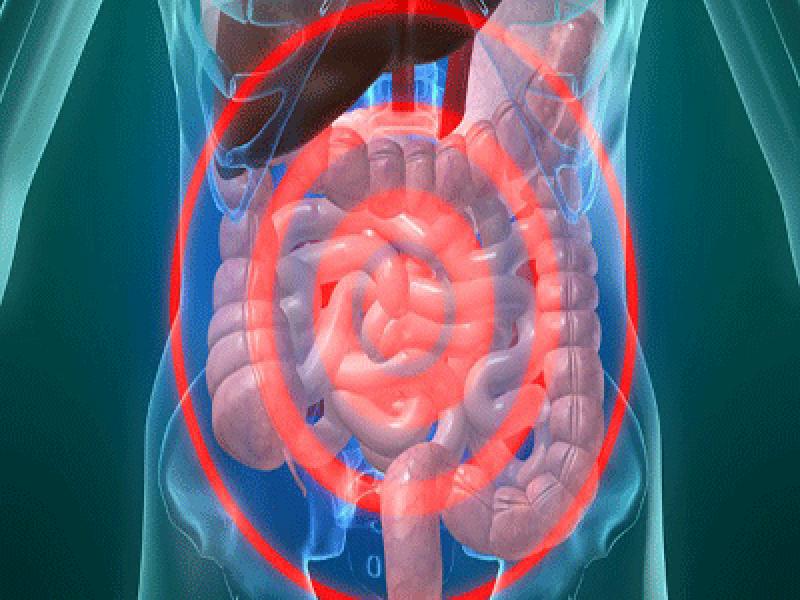
The colon and the rectum (the two parts of the large intestine) are common places for cancer to occur. It is often a hidden cancer because it doesn’t usually cause symptoms in its early stages.
Colon cancer affects men and women equally, usually after age 50. That’s why experts recommend that adults be tested regularly for colorectal cancer after age 50. Testing is especially important for individuals who are at increased risk for developing colorectal cancer. That include those who: have had polyps (a benign growth in the colon or rectum); have a close family member with colorectal cancer; have ulcerative colitis or Crohn’s disease; or who eat a fatty diet or smoke.
Symptoms of colorectal cancer include:
• diarrhea or constipation
• a feeling that the bowel isn’t emptying completely
• blood in the stool
• stools that are narrower than usual
• frequently feeling full or bloated
• weight loss with no known reason
There are several ways to check for hidden colorectal cancer. The most effective test is the colonoscopy. In this test, a thin, flexible tube with a camera on the end is passed through the anus and up through the rectum and colon. Any precancerous polyps can be removed during the test. A sigmoidoscopy uses a similar tube, but it is able to look into only the lower portion of the colon. A third test, the fecal occult stool test, can be done at home. It checks for blood in the stool, which can be a sign of bleeding from a colorectal polyp or cancer.
Prevention
Screening colon cancer:
Doctors recommend that people with an average risk of colon cancer consider colon cancer screening around age 50. But people with an increased risk, such as those with a family history of colon cancer, should consider screening sooner.
Several screening options exist — each with its own benefits and drawbacks. Talk about your options with your doctor, and together you can decide which tests are appropriate for you.
Diagnosis
Screening for colon cancer
Doctors recommend certain screening tests for healthy people with no signs or symptoms in order to look for signs of colon cancer or noncancerous colon polyps. Finding colon cancer at its earliest stage provides the greatest chance for a cure. Screening has been shown to reduce your risk of dying of colon cancer.
Doctors generally recommend that people with an average risk of colon cancer begin screening around age 50. But people with an increased risk, such as those with a family history of colon cancer or African-American heritage, should consider screening sooner.
Several screening options exist — each with its own benefits and drawbacks. Talk about your options with your doctor, and together you can decide which tests are appropriate for you. If a colonoscopy is used for screening, polyps can be removed during the procedure before they turn into cancer.
Diagnosing Colon cancer
If your signs and symptoms indicate that you could have colon cancer, your doctor may recommend one or more tests and procedures, including:
- Using a scope to examine the inside of your colon (colonoscopy). Colonoscopy uses a long, flexible and slender tube attached to a video camera and monitor to view your entire colon and rectum. If any suspicious areas are found, your doctor can pass surgical tools through the tube to take tissue samples (biopsies) for analysis and remove polyps.
- Blood tests. No blood test can tell you if you have colon cancer. But your doctor may test your blood for clues about your overall health, such as kidney and liver function tests.